The most common question we get is a simple one: what size skip do I need? The honest answer is that it depends on what you are clearing, but there are a few reliable rules of thumb.
A building site without a skip becomes a mess by Wednesday. A restaurant without proper food waste bins has a problem by Friday night. The goal is to match the container to the material and the pace at which you fill it, so nothing overflows and you are never paying for space you do not use.
Start with the material, not the size
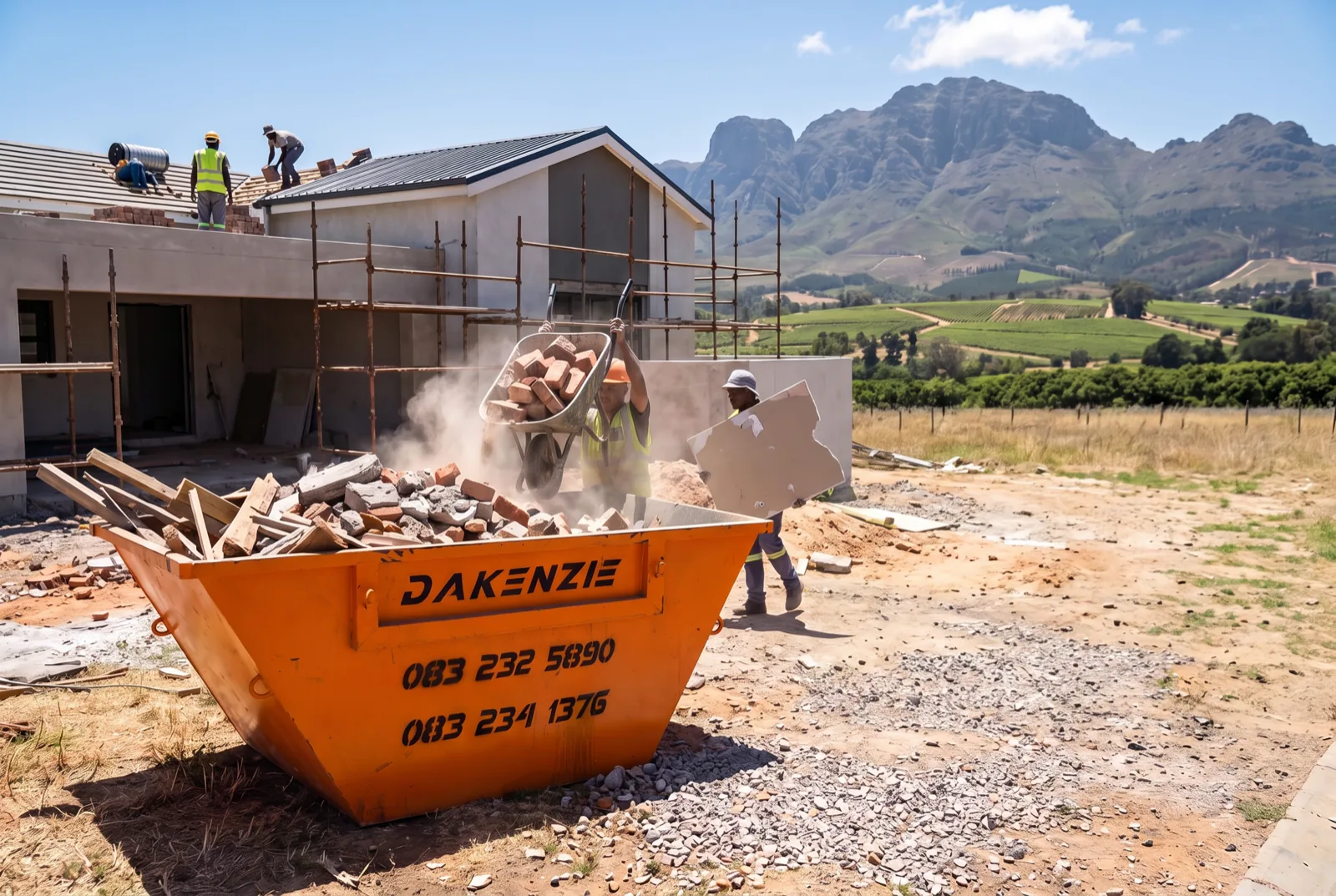
Heavy material like rubble, concrete and soil fills up by weight long before it fills up by volume, so smaller skips suit those jobs. Light, bulky waste like packaging, garden cuttings and offcuts is the opposite: it eats volume fast, so a larger skip or a mesh cage often works better.
- Rubble, concrete and soil: a smaller skip, swapped more often
- Mixed builders waste: a mid-size skip is usually the sweet spot
- Light, bulky waste: a larger skip or a mesh cage
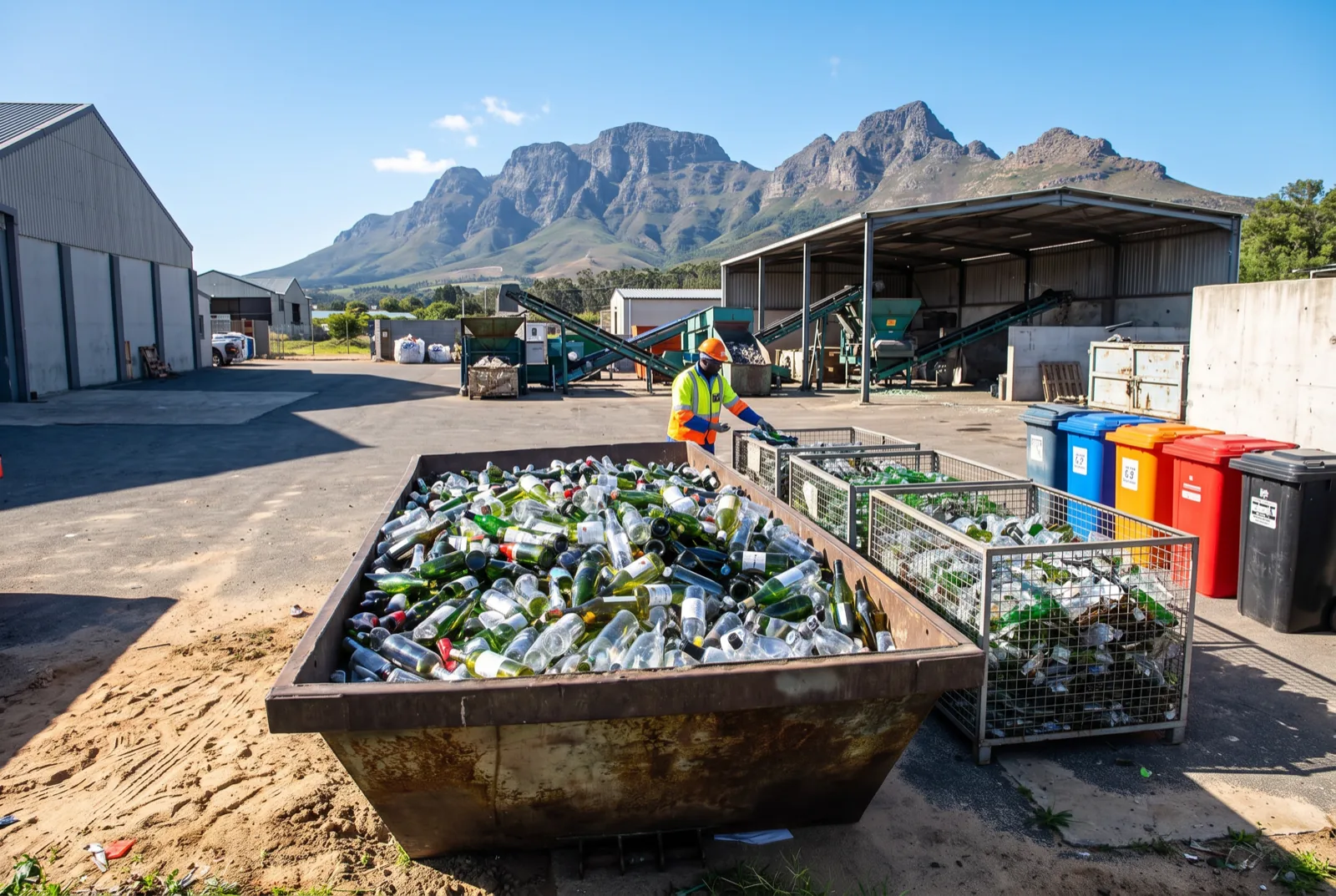
- Food waste and recycling: rocker bins and cages, collected on a schedule
Think about access and duration
Our skip-loader trailers can place and swap skips in tight spots a big truck cannot reach, including driveways, courtyards and narrow farm roads. Tell us where it needs to go and we will confirm what will fit. Hire runs from a once-off weekend clear-out to permanent bins on standing weekly collections, so you only pay for as long as you need it.
Still not sure? Describe the job to us and we will recommend a size. It is a quick conversation, and it saves you the cost of a second collection or a half-empty skip.