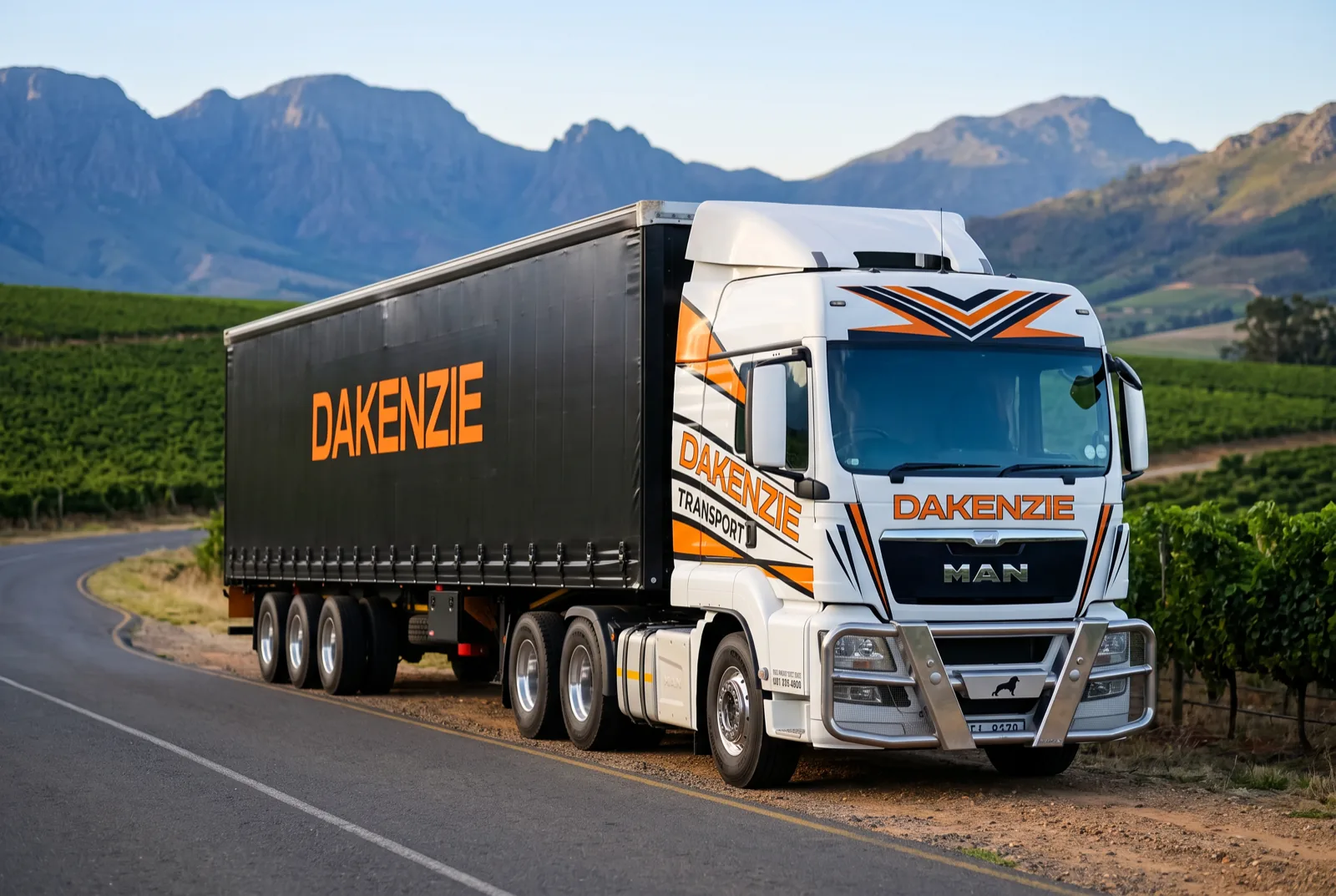
Haulage is the road movement of goods in bulk, and most of the risk in it sits somewhere the customer does not look. If you consign a load, South African law puts obligations on you as well as on the operator. Here is what to ask before you book, and where a local carrier genuinely beats a national one.
Your liability does not end at the gate
Regulations 330A to 330D of the National Road Traffic Act place duties on the consignor and the consignee, not only on the operator driving the vehicle. If you hand over a load, you carry part of the obligation to see that it is legally loaded.
That changes what a cheap quote means. A carrier who wins work by overloading is not absorbing that risk on your behalf. Overloading fines run from around R2,000 to R10,000, a weighbridge stop can cost R15,000 or more with impoundment on top, and the delay lands on your delivery schedule regardless of who pays the fine.
What to ask before you book
Five questions separate a carrier who has thought about this from one who has not. None of them are difficult to answer if the answer is good.
- How will the load be secured, and who checks it before the vehicle leaves? Ask what happens if the driver is not satisfied with how it was loaded.
- What is the vehicle's permissible mass, and how do you know this load is inside it? A carrier who cannot answer quickly is guessing.
- Who actually drives it? Subcontracting is normal, but you should know whether your goods are going on a truck the company you hired has never seen.
- What happens when something goes wrong on the road? A named contact beats a call centre when a vehicle is standing on the N1.
- What insurance covers the goods, and to what value? Goods in transit cover is not automatic and is not the same as the operator's vehicle insurance.
When local beats national, and when it does not
A national carrier runs to its own network and timetable. That works well when your load fits the network: a full trailer, a trunk route, a delivery window measured in days.
It works badly when the job is shaped like most Winelands work. Estates with awkward access, a receiving bay that only takes deliveries between nine and eleven, a pack house that needs the truck back the same afternoon, a load that moves between two sites twenty kilometres apart. Those jobs get scheduled around the network rather than around you.
Knowing the estates, the loading bays and the back roads is worth something concrete on a route like Paarl to Franschhoek. It is the difference between a load that arrives when your team is standing there to receive it and one that arrives when the truck was passing anyway.
| The job | Local carrier | National carrier |
|---|---|---|
| Two sites 20km apart, same day | Better | Poor fit |
| Tight receiving window | Better | Runs to its own timetable |
| Awkward estate or farm access | Better | Often cannot get in |
| Part load, short notice | Better | Waits for a full trailer |
| Full trailer, trunk route | Workable | Better |
| Crossing provinces regularly | Poor fit | Better |
| Volume needing a standing fleet | Poor fit | Better |
Where a national carrier is the right answer
Long-distance line haul, anything crossing provinces regularly, and volumes that need a fleet standing by rather than a rig. We will say so when that is the case, because a badly matched job helps nobody.
The insurance question people ask too late
Goods in transit cover and vehicle insurance are different things. A carrier's vehicle policy covers the vehicle. It does not automatically cover what is on the back of it, and the limit that does apply is often lower than customers assume.
Ask for the cover value in rands and compare it against the load you are consigning. A pallet of bottled wine and a pallet of packaging are the same volume and nowhere near the same exposure. If your load is worth more than the carrier's limit, the gap is yours unless you arrange your own cover.
The related question is what happens to a claim. Ask who handles it, what they need from you, and how long it usually takes. A carrier who has done it before will answer without hesitating.
Seasonal capacity, and the trailer question
Agricultural work does not spread evenly across the year. Harvest concentrates demand into a few weeks, and that is exactly when carriers are hardest to book.
If your own team can drive but you are short of carrying capacity, hiring a trailer by the day, week or season is usually cheaper than either buying one you use for two months or paying peak rates for a full service. Our side trailers go out on standalone hire for that reason.
Book seasonal capacity before the season rather than during it. By the time the first bins are ready, everyone in the district is phoning the same carriers.
A quick pre-dispatch check
- Confirm the mass of the load, not just its volume.
- Agree who signs off that it is secured, and record it.
- Check the receiving site's hours and access before the vehicle is loaded.
- Make sure the driver has a name and number for someone at the other end.
- Keep the paperwork: as consignor, your records are part of your defence.
None of that takes long, and it turns a delivery into something you can account for afterwards. If you would rather hand the whole question over, describe the route and the product and we will tell you what we would send.
Questions we get asked
What does haulage mean?
Haulage is the transport of goods in bulk by road, usually by truck and trailer, as distinct from courier work which moves small parcels. In South Africa it covers everything from a single rig moving product between two sites to long-distance line haul.
Is the customer liable if a truck is overloaded?
Partly, yes. Regulations 330A to 330D of the National Road Traffic Act place obligations on the consignor and consignee as well as the operator, so handing over a load does not hand over the whole responsibility.
What are the fines for overloading in South Africa?
Fines commonly run from around R2,000 to R10,000 depending on how far over the limit the vehicle is, and a weighbridge stop can cost R15,000 or more with impoundment. Axle overloading catches more operators than gross mass does.
What should I ask a haulier before booking?
How the load will be secured and who checks it, the vehicle's permissible mass, whether the work is subcontracted, who to call when something goes wrong, and what goods in transit insurance is in place and to what value.
Is a local carrier cheaper than a national one?
Not always, and price is the wrong first question. Local wins on routes with awkward access, tight receiving windows and same-day turnarounds. National wins on long-distance line haul and cross-province volume.
Can I hire a trailer without a driver?
Yes. Side trailers go out on standalone hire by the day, week or season, which suits an operation that has its own driver but needs more carrying capacity through harvest.
How far in advance should I book seasonal transport?
Before the season starts. Harvest concentrates demand into a few weeks and capacity in the district books out; by the time the first bins are ready you are competing with everyone else.
If you would rather just describe the job, get in touch and we will tell you what we would send. See skip and cage hire, waste and recycling, transport and haulage or pressure washing for what each division covers.